Seat-Mounting Holes
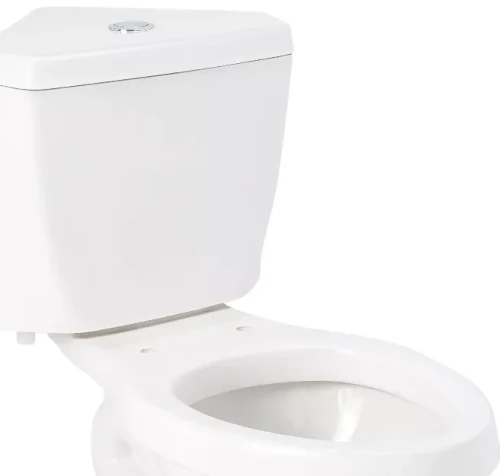
Seat-mounting holes are the two (sometimes three) factory-drilled openings at the rear of a toilet bowl where seat bolts thread through. In North America the industry-standard spacing is 5.5 in (140 mm) center-to-center, while many modern bowls feature elongated slots or adjustable hardware to fit both round and elongated seats. Properly engineered mounting holes—paired with quality stainless-steel or quick-release hardware—keep the seat rigid, eliminate side-to-side wobble, and make seat swaps or bidet-seat upgrades a five-minute chore instead of a plumbing project.
Standard 5.5 in (140 mm) center-to-center spacing on most US/Canadian toilets.
Elongated slots or sliding brackets add ±0.5 in of adjustability for universal fit.
Top-mount hardware lets you install from above—no need to reach under the bowl.
Reinforced porcelain or brass inserts resist cracking and over-tightening.
Key Benefits
Rock-Solid Stability
Precision-drilled holes and rigid hardware prevent the seat from shifting during use.
- Reduces wear on hinges and bowl glazing.
- Prevents embarrassing seat movement for guests or elderly users.
Hassle-Free Installation & Upgrades
Universal spacing and top-mount bolts mean most seats (including bidet seats) install in minutes with a standard screwdriver.
- No crawling behind the toilet or removing the tank.
- Quick-release options simplify deep cleaning and future seat swaps.
Broad Compatibility
Adjustable brackets or slotted holes accommodate round, elongated, and specialty seats—including child seats and bidet attachments.
- Ideal for property managers or families who may change seat types over time.
- Works with aftermarket soft-close and quick-detach seats.
How It Works
1
Locate the Mounting Holes
Two holes (or slots) sit at the rear rim; some bowls include brass or stainless inserts for added strength.
2
Insert Top-Mount or Bottom-Mount Bolts
Drop-in (top-mount) bolts slide through rubber expansion sleeves, or traditional bolts thread up from underneath.
3
Align & Tighten the Seat
Slide the seat (or bidet bracket) so hinges line up perfectly, then tighten thumbscrews or wing nuts until snug—no over-torque needed.
4
Optional Quick-Release Clip
Many modern seats have a push button that detaches the seat for cleaning while leaving the mounting bolts undisturbed.
Who Needs This Feature
DIY Homeowners & Renters
Swap seats or add a bidet attachment without calling a plumber.
Families with Small Children
Quick-detach hinges let parents remove the seat for deep cleaning or use training seats.
Elderly or Mobility-Limited Users
Sturdy, no-wobble mounting builds confidence and safety when sitting or rising.
Property Managers & Hospitality
Standardized mounting simplifies maintenance and ensures guest satisfaction.
Common Misconceptions
"All toilets use identical seat spacing worldwide."
While 5.5 in is standard in North America, European, Asian, and specialty compact bowls may differ—always measure before ordering a seat.
"Top-mount bolts loosen more easily than bottom-mount bolts."
Modern rubber expansion sleeves grip the porcelain firmly; when installed correctly, top-mount hardware stays tight for years.
"Bidet seats can damage mounting holes over time."
Quality bidet seats distribute weight through wide brackets; reinforced holes and stainless hardware prevent cracking or elongation.
Frequently Asked Questions
Q: How do I measure my seat-mounting holes?
A: Measure the distance between the centers of the two holes; most US bowls are exactly 5.5 in (140 mm).
Q: Can I install a bidet seat if my holes are slightly wider or narrower?
A: Many bidet seats include sliding brackets offering ±0.5 in adjustment; check the manufacturer’s spec sheet.
Q: What if my mounting holes are damaged or cracked?
A: Use top-mount expansion bolts for a secure hold or consult a plumber—severe cracks may require bowl replacement.
Q: Do I need special tools?
A: Typically just a flat-head screwdriver or a ½-in wrench; quick-release seats may not require tools at all.