The Cost Benefits of Investing in a Quality Toilet
Last Updated: Jul 02, 2025
Writer: Morgan Vale

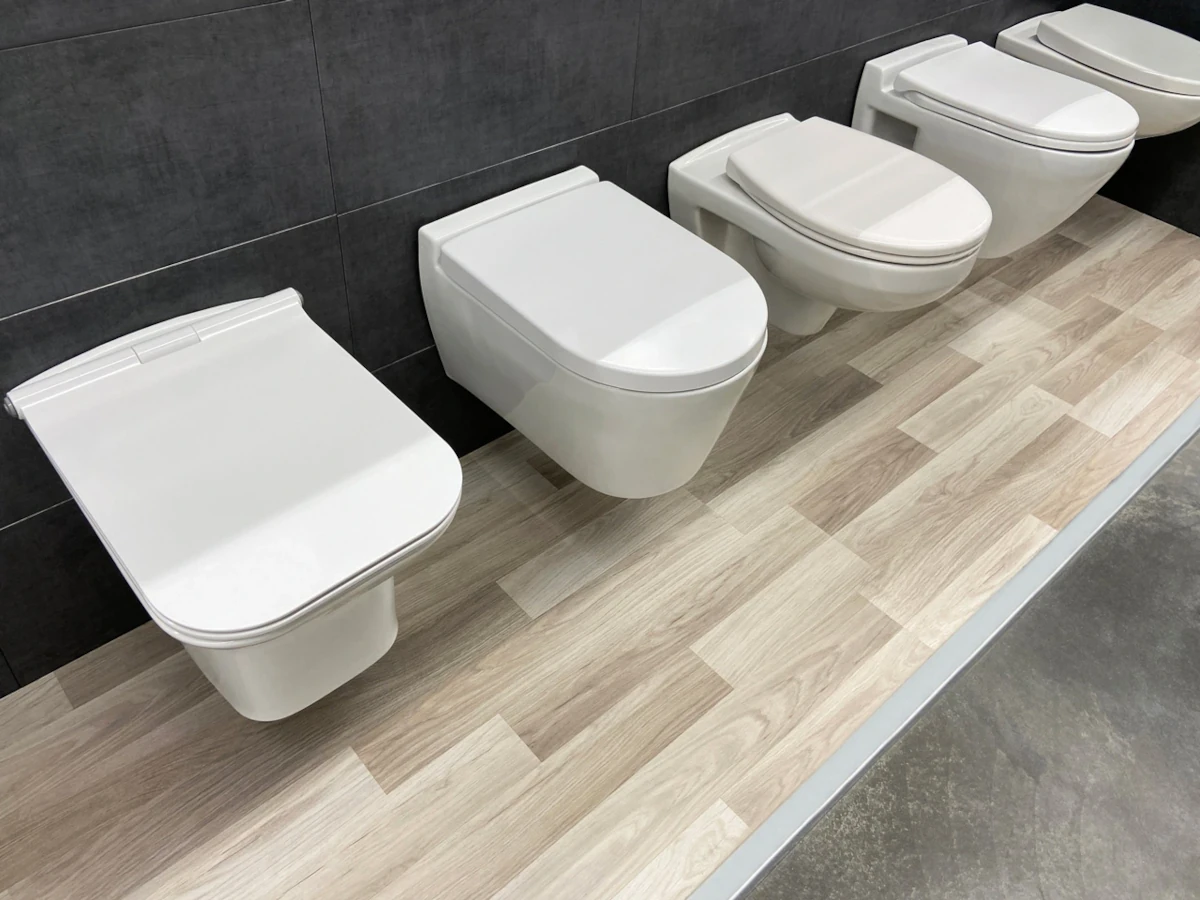
Toilets may not be the most glamorous fixture in your home, but investing in the right one can lead to long-term cost savings, improved performance, and a better bathroom experience overall. While many homeowners default to the most affordable option, understanding the true cost of ownership—including water usage, durability, and maintenance—can help you make a more financially sound decision.
Initial Price vs. Long-Term Value
The cost of a toilet can range from $100 for basic models to over $1,000 for high-efficiency or smart toilets with advanced features. While entry-level options may seem like a bargain, they often lack durability, comfort, and efficiency—resulting in more costs over time.
Higher-end toilets often include features like powerful flush technology, water-saving dual-flush systems, soft-close seats, and more ergonomic designs. These features not only improve user satisfaction but also reduce water bills and maintenance needs in the long run.
Saving Money on Water Bills
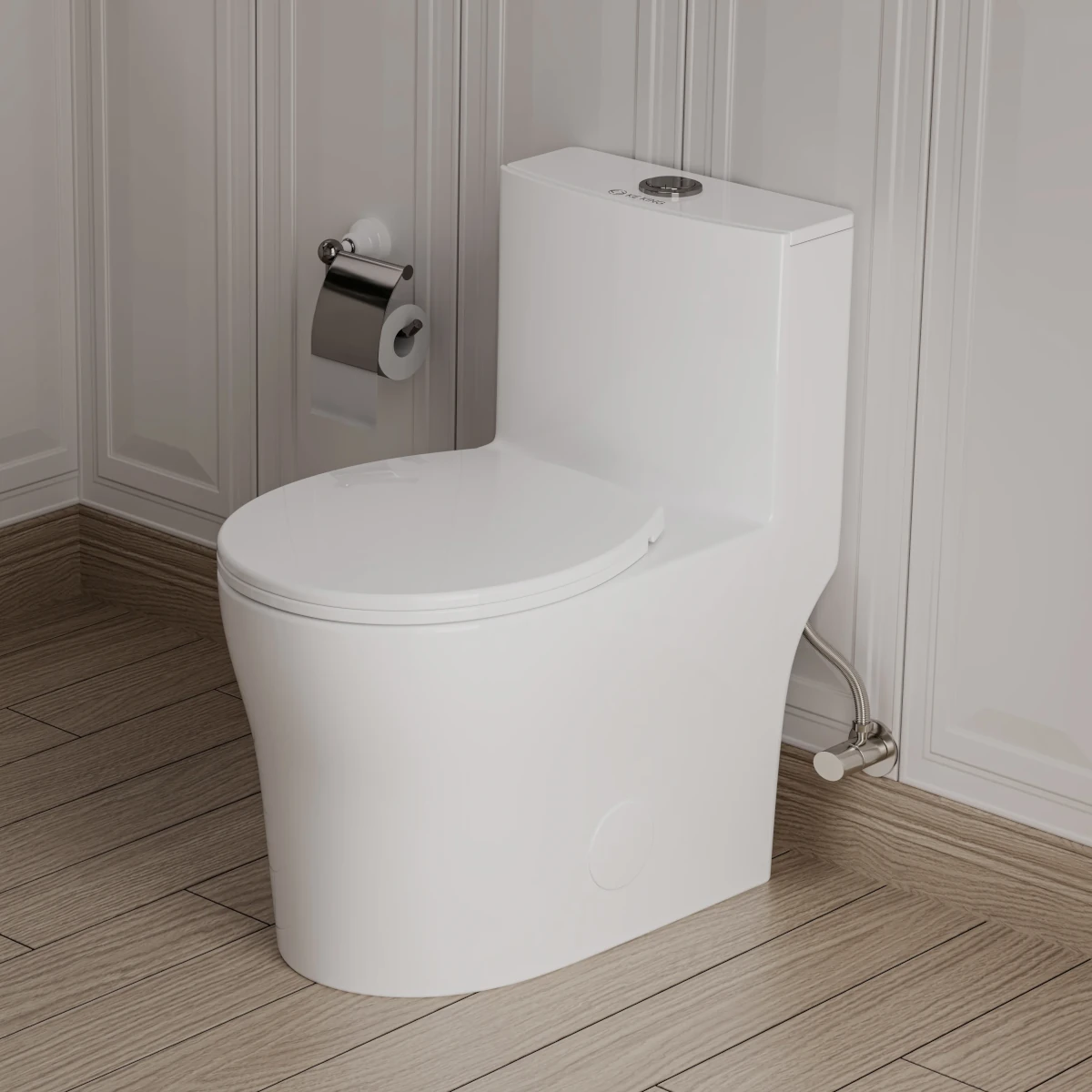
Toilets are responsible for nearly 30% of the average home’s indoor water usage. Older models can use up to 6 gallons per flush, while modern high-efficiency toilets (HETs) use just 1.28 gallons or less.
By upgrading to a WaterSense-certified toilet, a household can save an estimated 13,000 gallons of water per year—translating to around $110 in annual savings. Over 10 years, that's more than $1,000 in reduced utility costs.
Fewer Clogs, Less Maintenance
Low-quality toilets may clog more often or require double flushing, wasting both time and water. Premium models with modern flush technologies (such as pressure-assisted or dual-flush systems) are engineered for performance, reducing the need for plunging, repairs, or professional plumbing visits.
A single plumber callout to fix a clog or replace components can cost between $150 and $300. Over time, a more reliable toilet helps avoid these recurring expenses.
Durability and Lifespan
A quality toilet can last 15–25 years with minimal upkeep, especially when made from durable materials like vitreous china and equipped with high-quality internal components. While cheaper units may require more frequent part replacements or early replacement altogether, investing upfront can eliminate those future headaches and costs.
Rebates and Incentives
Many municipalities offer rebates for replacing old, inefficient toilets with WaterSense-certified models. These rebates can range from $50 to over $200, helping to offset the initial cost of a more efficient fixture.
Before purchasing, check with your local utility provider to see if incentives are available. These programs can make a higher-end model even more affordable.
Cost per User Over Time
In high-use households, the benefits of a quality toilet compound quickly. The more people using the toilet daily, the faster you'll see returns through reduced water usage, fewer breakdowns, and less reliance on toilet paper due to more effective flushing.
Final Thoughts
While it may be tempting to choose the cheapest toilet available, investing in a high-quality, efficient model pays off in both comfort and cost. Between water savings, reduced maintenance, and long-lasting performance, a better toilet is a smart upgrade that benefits your wallet and your bathroom for years to come.